Hazard Identification (HAZID) study for Offshore Exploration and Production

HAZID study คืออะไร

HAZID ย่อมาจาก Hazard Identification เป็นกระบวนการเชิงที่ใช้ในอุตสาหกรรมต่างๆ เพื่อระบุอันตรายที่อาจเกิดขึ้นที่เกี่ยวข้องกับระบบ กระบวนการการทำงาน Production หรือกิจกรรมงานต่างๆ เช่น Start-up, Commissioning, Decommissioning เป็นต้น

ดังนั้นการศึกษา HAZID ให้ประโยชน์หลายประการ ซึ่งช่วยเพิ่มความปลอดภัย การจัดการความเสี่ยง และความสำเร็จโดยรวมของโครงการ ข้อดีหลักบางประการของ HAZID ได้แก่;

  • ลดความเสี่ยงที่รุนแรง
  • เพิ่มความปลอดภัย
  • เป็นไปตามแนวปฏิบัติที่ดีที่สุด (Best Practice)
    • ในประเทศไทยและสากล HAZID study แม้ไม่ได้เป็นกิจกรรมที่กฏหมายบังคับให้ต้องทำโดยตรงเสมอไปแต่มักเป็นส่วนหนึ่งของการเตรียมข้อมูลเพื่อการทำ PHA ตาม 29 CFR 1910.119(d) ตาม OSHA PSM และใน API และ ISO Standards หลายฉบับก็แนะนำหรือกำหนดให้ทำ HAZID ในโครงการที่มีความเสี่ยงสูง เช่น โรงกลั่น, โรงงานเคมี, หรือ offshore
  • การประหยัดค่าใช้จ่าย
  • ช่วยในการตัดสินใจที่ดีขึ้น Enhanced Decision-Making
  • ช่วยเพิ่มความมั่นใจของผู้มีส่วนได้ส่วนเสีย Stakeholder Confidence
ความต้องการใช้ HAZID study เป็นเครื่องมือในการหา Process Safety Information (PSI) ซึ่งเป็นหนึ่ง PSM Key Element ใน 29 CFR 1910.119(d)

HAZID Study Workflow

  1. Define the scope: ระบุวัตถุประสงค์และเป้าหมายของการศึกษา HAZID กำหนดขอบเขตและขอบเขตของการศึกษา รวมถึงระบบ กระบวนการ หรือกิจกรรมการทำงาน
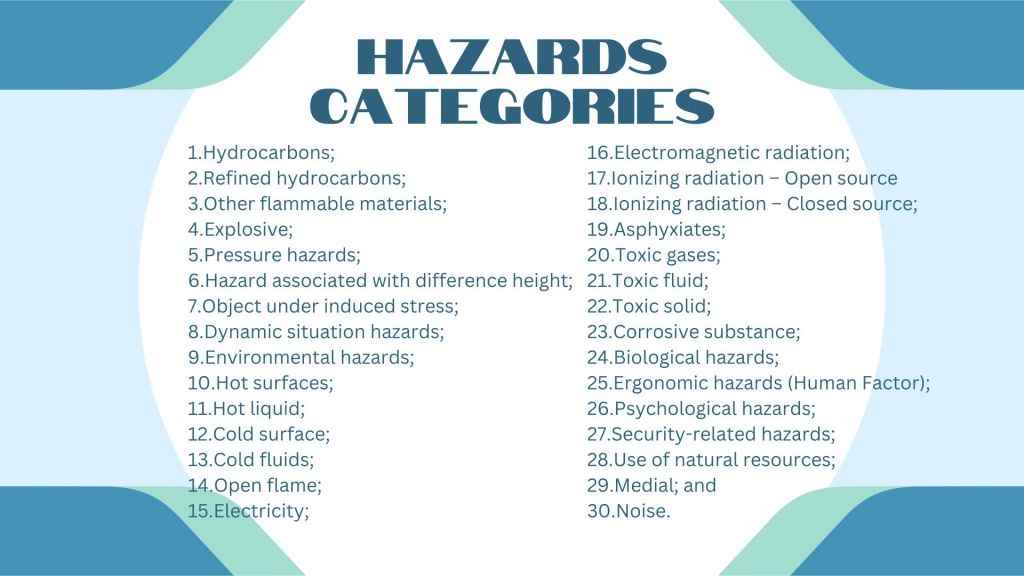
    • ยกตัวอย่างเช่น Standard HAZID guidewords ตาม ISO-17776 Petroleum and natural gas industries – Offshore Production Installation ก็จะกำหนดการใช้กับอุตสาหกรรมหลักๆเช่น
      • แท่นขุดเจาะกลางทะเลแบบอยู่กับที่ Fixed offshore structures
      • เรือที่ใช้บรรทุกสาร hydrocarbon หรืออาจจะมีส่วนการผลิตรวมอยู่ด้วย Floating production, storage and take-off system
  2. Assemble a multidisciplinary team: สร้างทีมที่มีสมาชิกที่มีประสบการณ์จากสาขาที่เกี่ยวข้องต่างๆ เช่น Process Engineer, Production Engineer, Project Engineer, Layout Engineer, เป็นต้น
  3. Brainstorm and identify the hazardous scenarios: ระดมความคิดและระบุสถานการณ์อันตรายที่อาจเกิดขึ้นที่เกี่ยวข้องกับระบบหรือกระบวนการ
  4. Identify the existing safeguards in place: ระบุมาตรการป้องกันที่มีอยู่แล้วในระบบ ซึ่งสามารถป้องกันสถานการณ์และบรรเทาผลกระทบ รวมถึงการออกแบบและการควบคุมทางการบริหาร
  5. Risk Ranking and Prioritize hazards: ประเมินความรุนแรงและความน่าจะเป็นของสถานการณ์อันตราย
  6. Document Results: บันทึกสมมติฐาน รายงานการประชุม ระบุอันตรายที่ที่ทำการวิเคราะห์ มาตรการป้องกัน การจัดอันดับความเสี่ยง ข้อเสนอแนะ และการประเมินของทีม
  7. Review and Validation: ทบทวนผลการศึกษาของ HAZID กับผู้ที่เกี่ยวข้อง และตรวจสอบความถูกต้องของผลการศึกษาและให้แน่ใจว่าพิจารณาความเสี่ยงที่ระบุทั้งหมดแล้ว
  8. Develop the risk management plan: สร้างแผนจัดการความเสี่ยง โดยระบุมาตราการในการบรรเทาหรือควบคุมความเสี่ยง จัดลำดับความสำคัญของงานตามระดับความเสี่ยงและผลที่อาจเกิดขึ้นจากรุนแรงมากไปน้อย
  9. Implementation and monitoring: ดำเนินการตามมาตรการลดความเสี่ยงและจัดตั้งกระบวนการติดตามและตรวจสอบเพื่อให้แน่ใจว่ามีประสิทธิภาพอย่างต่อเนื่อง

Other HAZID Techniques

อย่างที่กล่าวไว้ข้างต้น HAZID เป็นแค่คำที่ถูกนิยามขึ้นมาเพื่อหาหรือชี้บ่งอันตรายต่างๆของโครงการ ทั้งนี้การเลือกวิธีการชี้บ่งที่เหมาะสมจะขึ้นกับบริบท (context) รอบด้านต่างๆ แต่อย่างไรก็ตามทาง 29 CFR 1910.119(d) ได้ระบุเทคนิคที่นิยมใช้ต่างๆไว้ดังนี้

เทคนิตต่างๆที่ถูกแนะนำในการใช้เพื่อชี้บ่งอันตรายจากอุตสาหกรรมประเภทต่างๆ และลักษณะงานต่างๆ

Checklist: ใช้รายการตรวจสอบที่กำหนดไว้ล่วงหน้า (pre-defined checklist) เพื่อระบุอันตรายทั่วไป

What-If Analysis: ประเมินสถานการณ์ที่เป็นไปได้และตั้งคำถาม “ถ้าเกิดว่า”

HAZOP (Hazard and Operability Study): ตรวจสอบการออกแบบและการดำเนินงานของระบบอย่างเป็นระบบเพื่อระบุความเบี่ยงเบนที่อาจนำไปสู่ความเสี่ยงผ่านการใช้คำ Guidewords มาตราฐาน No, More, Less

FMES (Failure Modes and Effects Analysis): การวิเคราะห์โหมดการล้มเหลวที่อาจเกิดขึ้นของส่วนประกอบต่างๆหรือทั้งระบบ

HAZID Guidewords

ISO 17776 is “Petroleum and Natural Gas Industries – Offshore Production Installations – Major Accident Hazard Management during the Design of New Installations” ใน Annex F, จะมี HAZID guidewords เช่น Hydrocarbon, Explosives, Pressure Hazards, Hazard associated with differences in height, Toxic gas, Toxic fluid, Toxic solid, และอื่นๆ

Offshore HAZID Challenges

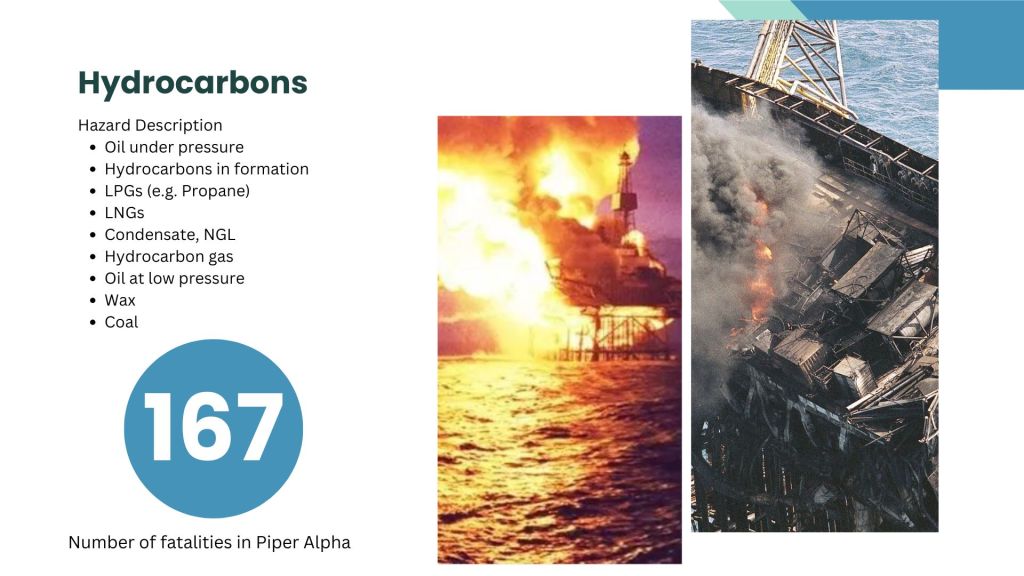
Challenge ที่เกี่ยวกับความอันตรายของสาร Hydrocarbon

  • พื้นที่แคบและในระบบมีแรงดันสูงอยู่หลายจุด
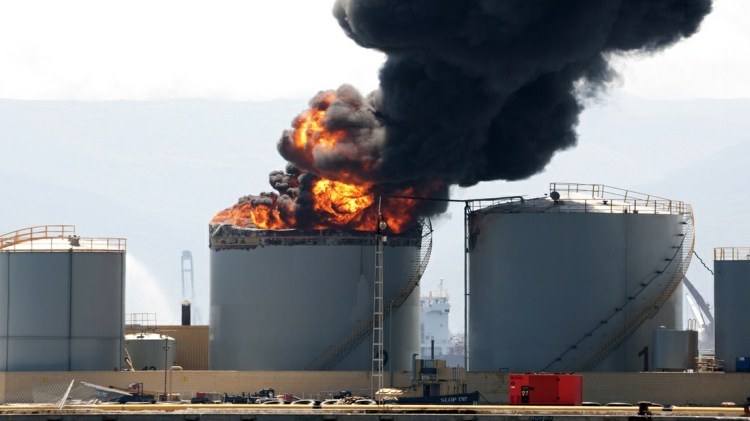
  • หากเกิดการรั่วไหลอาจทำให้เกิดไฟไหม้หรือระเบิดได้อย่างรวดเร็ว
  • บางจุดเข้าไปตรวจสอบหรือปิดวาล์วได้ยาก

แนวทางการแก้ไข:

  • ใช้ระบบตรวจจับก๊าซ (Gas Detectors) พร้อมระบบ Shutdown อัตโนมัติ (ESD) โดยศึกษา fire & gas mapping ให้ครอบคลุมพื้นที่เสี่ยง
  • ออกแบบระบบระบายอากาศและระบายแรงดัน (Pressure Safety Valve) อย่างเหมาะสม
  • ซ้อมแผนอพยพและตอบโต้เหตุฉุกเฉินอย่างสม่ำเสมอ

Heat Recovery Steam Generator (HRSG) Safety

HRSG is a device used in power plant to recover waste heat from exhaust gas of a Gas Turbine (GT), Gas Engine Generator (GEG), or other combustion system. The HRSG will convert the heat energy from exhaust gases and uses it to produce the steam, which can further be used to drive a Steam Turbine (ST) to generate additional electricity.

Main Components

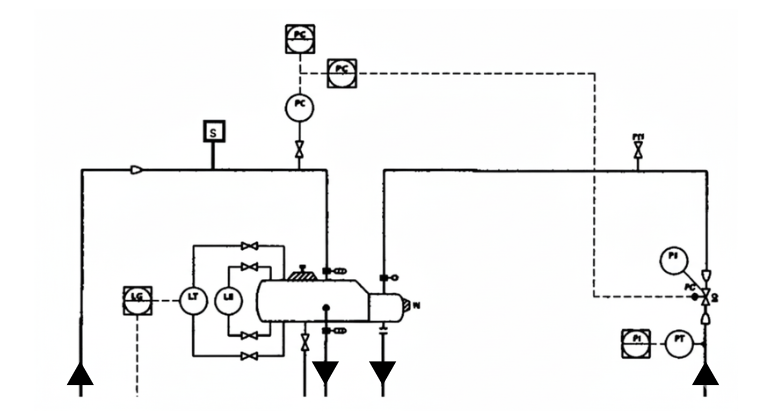
A HRSG is a complex piece of equipment designed to recover waste heat from the combustion system. It typically consists of Evaporator, Superheater, Economizer, Steam Drum, Feed Water System, Auxiliary Burner, Stack, Exhaust flue gaseous, and Control System. The purpose of each component is explained below.

Evaporator: The evaporator is a component which is used to generate steam. It contains a series of heat exchange surfaces, usually in form of tubes.

Superheater: The superheater is responsible for further increasing the temperature of the steam produced by the evaporator to a superheated level which is suitable for driving a steam turbine.

Economizer: Economizer is positioned at the inlet of the HRSG to preheat the feedwater before it enters the evaporators. Thus, this unit helps to improve the overall efficiency of the HRSG.

Steam Drum: The steam drum is a vessel where the generated steam is collected before it is distributed to the downstream process. It also serves as a separator to remove any remaining water droplets from the steam.

Auxiliary Burner: In some HRSGs are part of a combined cycle power plant, the burners are installed to provide additional heat input when required such as during maintenance of gas turbine.

Hazards of HRSG

Overpressure: At the downstream of the HRSG, there is the Main Steam Stop Valve or MSSV which its play role as to control the rate of steam flow into the steam header. Hence, in case of the mis-operate failure of opening the MSSV during normal operation, the HRSG can experience with excessive pressure.

Overheating and damage: Without a proper water supply to the HRSG or low level in the steam drum, HRSG may experience of the deterioration of materials such as tubes and other components within the HRSG. This will lead to cracking and leakage.

Liquid carryover: In the opposite scenario, if lack of level control and high liquid inside the steam drum, foaming can be generated, and liquid can carryover the downstream equipment. This will lead to the water hammer in piping system and damages the steam turbine.

Fire and explosion: Unburnt exhaust gas can accumulate inside the exhaust stack if insufficient of performing the purging activity. It may lead to the internal fire and explosion if ignited.

Corrosion and Fouling: Also, unburnt exhaust gas can contain corrosive elements and particular matters. If these gases accumulation or contact with the low surface temperature part, they can contribute to the formation of corrosion and fouling.

Corrosion and Fouling: In the waterside, if lack of control the water control qualities such as fails to open blowdown system. It will lead to the accumulation of dissolved solids, sediments, scale formation and other impurities in the boiler water. Potentially causing of promote the corrosion.

Emission Compliance Issues: Unburnt exhaust gases may contain pollutants such as carbon monoxide, which can contribute to air quality concerns and environmental compliance issues.

Design Code

ASME Boiler and Pressure Vessel Code (BPVC): ASME BPVC includes not only design code but also safety standards for the operation of boilers, pressure vessels, including HRSG.

  • PG-70: Capacity of Pressure Relief Valve;
  • PG-72: Operation of Pressure Relief Valve
  • PG-73: Minimum Requirement for Pressure Relief Valves

Specific section of the ASME BPVC, such as Section I (Rules for Construction of Power Boilers), and Section VIII (Rules for Construction of Pressure Vessel)

  • UG-126: Pressure Relief Valve
  • UG-128: Liquid Pressure Relief Valve

NFPA 85 – Boiler and Combustion System Hazards Code

  • This code may be applicable to HRSG safety, particularly regarding combustion safety and fuel system.

Key Variables for SIL Verification Study – SIL Verification study

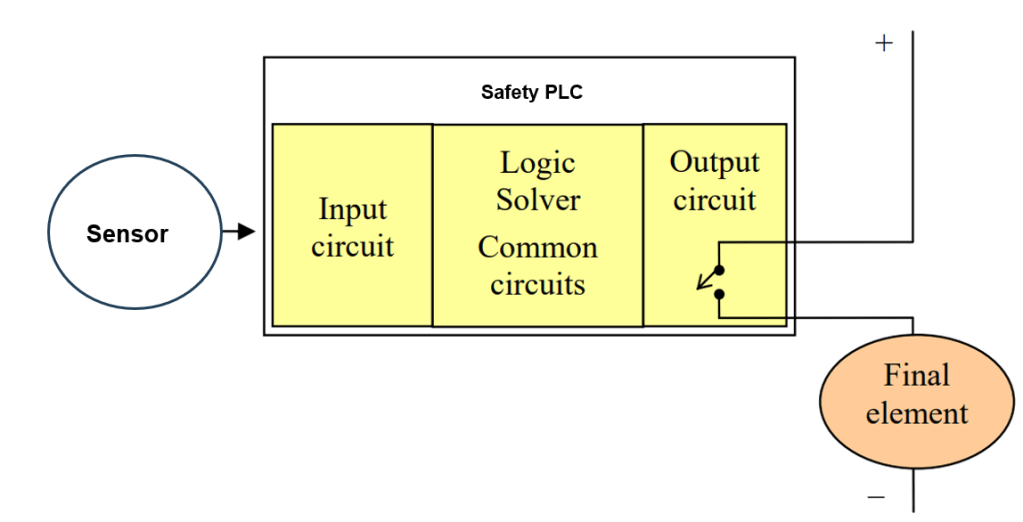
Safety Integrity Level (SIL) Verification is a crucial aspect of the functional safety lifecycle of the Safety Instrumented System (SIS) in the process industry. It involves a systematic and thorough assessment to confirm that the Safety Instrumented Function (SIF) within a system meets the target SIL.

The SIL and Probability of Failure on Demand (PFD) and closely related concepts in the context of SIS. The PFD is a quantitative measure used in this process to evaluate the reliability of SIS.

The goal of SIL verification is to ensure that the SIS is capable of reducing the risk associated with hazardous events to an acceptable level.

The key variables for SIL Verification are failure rate, Mission Time, Proof Test Interval (PTI), Proof Test Coverage factor (PTC), and Mean Time To Restore (MTTR)

1. Failure Rate

The failure rate, often denoted as the lambda symbol in Greek, is a measure used in reliability engineering to quantify the likelihood of a component or system failure within a specific period. It represents the number of failures per unit of time.
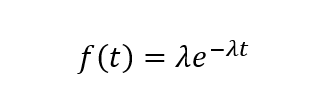
The relationship between failure rate and the probability of failure depends on the specific mathematical model used to describe the distribution of failure over time. One common model for the electronic device is the exponential distribution, which assumes a constant failure rate.

In the context of the exponential distribution, the probability density function (PDF) for time to failure (t) is given by:

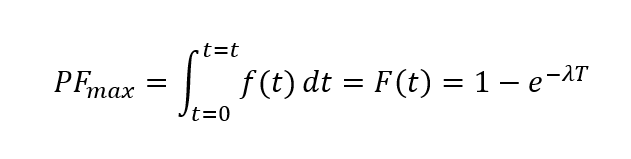
The cumulative distribution function (CDF) is the representative of the probability of failure occurring before or at a specific time (t) is given by:

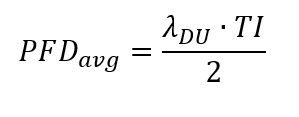
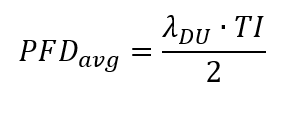
The probability of failure average of a single component is given by:

2. Proof Test Interval (PTI)

A proof test (TI) is a scheduled test or inspection conducted to ensure the SIS components are still capable of performing their safety function effectively. The purpose of proof testing is to detect and prevent undetected failures that could compromise the reliability of the system.

More frequent proof testing reduces the time between tests, increasing the chances of identifying and correcting potential failure promptly.

on the other hand, less frequent proof testing extends the time between tests, reducing the chances of identifying the failure results to higher the PF.

3. Proof Test Coverage (Cpt)

Proof Test Coverage is a measure of how well the proof testing activities can detect potential failure within the SIF. It is expressed as a percentage and is calculated based on the ability of the proof test to identify and address different failure modes. The formula for Proof Test Coverage is:

The number of failures detected and non-detected can be found in the detailed FMEDA analysis report of each device.

4. Mission Time (MT) or Life Time (LT)

Mission Time is a period during which SIFs are serviced. This value corresponds to the period between each major shutdown and overhaul or replacement of all equipment.

When taking into account the mission time, the probability of failure on demand average of a single element is changed to more precious as:

5. Mean Time To Restore (MTTR)

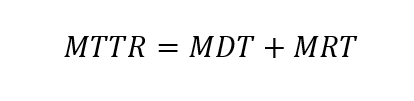
MTTR means the time at which a SIF is not providing protection for a process. MTTR is the time to detect the failure, time spent before starting the repair, effective time to repair, and time before re-service (installation, testing, etc). Hence, MTTR includes both mean detection time (MDT) and mean repair time (MRT).

Anyhow, the terms MDT and MRT vary depending on the detection mechanism and process condition during testing as follows.

Mean Detection Time (MDT)

Detection MechanismMDT
Automatic DiagnosticsDTI/2
Manual Proof Test during shutdownTI/2
Manual Proof Test with process operatingTI/2+PTD
Undetected by automatic diagnostics or manual proof testMT/2

Where the PTD is the Proof Test Duration

Mean Repair Time (MRT)

Process ConditionMRT
Process shutdown during repair0
Process operating during repairMRT

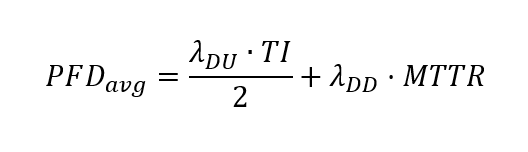
When taking into account the MTTR, the probability of failure on demand average of a single element is changed to more precious as:

Gas Engine Generator (GEG) Safety

A gas engine generator or GEG, also known as a genset or gas generator set, is a machine equipment that converts fuel into electrical energy using an internal combustion engine coupled with an electric generator.

Main Components of Gas Engine Generator

The specific components can vary depending on the type and size of the generator, but here are the main components commonly found in gas engine generators.

  1. Engine: Primary component responsible for converting the internal heat energy into mechanical energy.
  2. Turbocharger: From the picture above, it is a turbocharger with one radial turbine stage and one radial flow compressor stage. The function of the turbocharger rotor by convert the exhaust gases into energy. Simultaneously, it will draw the fresh air and compress it into compressed air.
  3. Alternator or Generator: Secondary component responsible for converting the mechanical energy to electrical energy.
  4. Fuel System: The purpose of the fuel system is to deliver the fuel and mix the fuel with air before combustion.
  5. Cooling System: A cooling system is necessary to maintain the engine’s temperature within a safe range. (e.g. intercooler)
  6. Lube Oil or lubricating system: It serves several essential purposes in machinery. (e.g. friction reduction, wear protection, heat dissipation, Corrosion prevention, sealing, etc.)
  7. Air Intake System: The intake air is regulated by the throttle which controls the amount of air entering to engine. The throttle control is essential for managing engine power.
  8. Exhaust System: The exhaust system is responsible for guiding the exhaust gaseous after combustion out of the engine safely.
  9. Governor: The governor is a control system that regulates the speed of the engines. It adjusts the fuel supply to maintain a constant speed under varying load conditions, ensuring a stable and reliable power output. Governor is commonly used in engines to prevent overspeeding scenarios.
  10. Bypass valve: Also known as a wastegate regulator, is a valve that controls the flow of gases in a system. A bypass valve is often associated with turbochargers. It controls the amount of exhaust gases that bypass the turbine, regulating the speed and pressure of the turbocharger.

Type and application of Turbocharger

The different types of turbochargers impact power generation in various ways. Each type has its unique characteristics and advantages. Here’s a brief overview of each type of turbocharger.

Single Turbo– Used in a wide range of applications;
– Efficient for providing a power boost, at high speed engine;
– Exhibit some turbo lag at the lower speed.
Twin Turbo– Uses to increase power output in larger engines;
– Improve responsiveness across a boarder range of engine speeds.
Sequential – Aim to address turbo lag issues;
– Commonly used in diesel engines;
– Uses two turbos, a smaller turbo provides quick response at low-speed and a larger one takes over at higher speed.
Twin-scroll– Help optimize exhaust gas flow by dividing the inlet passages;
– Enhance power generation, especially at lower engine engine speed

Design Codes and International Standards

NFPA 37: Standard for installation and use of stationary combustion engines and gas turbines e.g. gas trains for engines shall contain at least the following safety components: an equipment isolation valve, a regulator, and two automatic safety shutoff valves. [NFPA 37 – 5.2]

Hazard of Gas Engine Generator

  1. Fire and Explosion: Any leakage or malfunction in the fuel system and loss of containment can lead to fire or explosion hazards.
  2. Equipment damages: One of the most significant consequences is the risk of over-boosting and over-speeding if the bypass valve of the turbocharger fails in the closed position.
  3. Loss of production: Too much or air or fuel supply to cylinder or inadvertently close of fuel solenoid valve to cylinder will result in wrong fuel-air ratio and misfiring. This will lead to equipment stop (knocking).
  4. Exhaust Emission: GEG produces exhaust gases that can be harmful if inhaled. Exhaut gas with the dangerous constitutes NOx, SO2, CO, HC2, and soot are a particularly dangerous gas produced during combustion which can result in Noxious. (Negative effect on the environment)
  5. Electrical Hazards: There is a risk of electrical shock or electrocution if electrical resistance insulation loses integrity.
  6. Hot surfaces: The engine and accessories can become very hot during operation.
  7. Mechanical Hazards: Moving parts in the generator can pose a risk of injury if not properly guarded.
  8. High Pressure Hazards: GEG during start-up needs to use the compressed air since it is required to overcoming the initial inertia, assisting in crankshaft rotation, aiding compression stroke, and ignition facilitation. Hence, operator expose to the starting air system will have a risk of high-pressure hazards.
  9. Generator damage: If the GEG connected to the generator and connected to the grid (parallel mode), malfunction of GEG will result to unable to drive the crank shaft and cause of reverse power to generator.

General problem Gas Engine Generator (GEG) and possible causes

Engine does not crank.

  • Failure of starter solenoid;
  • DC battery dead; and
  • Water filled cylinder

Engine does not start.

  • Fuel starvation;
  • Air leak in to fuel system; and
  • Fouled spark plug.

Engine hunts.

  • Air leaks into fuel system;
  • Loss of fuel supply; and
  • Low octane fuel.

Engine misfires or backfires.

  • Low octane fuel;
  • Less pressure of fuel supply;
  • Less of air intake i.e. dirty air intake screen; and
  • Exhaust gaseous restriction.

Engine overheats

  • Loss of coolant flow;
  • Coolant pump belt loose/broken; and
  • Faulty of pump impeller

Compressor surging

  • Turbine wheel heavily fouled;
  • Foreign material in turbine or in compressor;
  • Low air inlet temperature (higher air density);
  • Exhaust gas backpressure after turbine too high.

Compressed air pressure too low

  • Silencer or air filter fouled;
  • Compressor fouled;
  • Turbine wheel heavily fouled;
  • Rotor rubbing;
  • Foreign material in turbine or in compressor;
  • High air inlet temperature (low gas density);
  • Exhaust gas backpressure after turbine too high.

Compressed air pressure too high

  • Low air inlet temperature (high gas density)

Turbocharger speed too low

  • Silencer or air filter fouled;
  • Compressor fouled;
  • Turbine wheel heavily fouled;
  • Defective bearing, imbalance of the rotor; and
  • High air inlet temperature (low gas density)

Turbocharger speed too high (over-boosting)

  • More fueling;
  • Low air inlet temperature (high gas density, high momentum)

Safety Requirement Specification (SRS) – SIL Verification Study

The Safety Requirement Specification (SRS) is a crucial document in the field of functional safety engineering. It is a comprehensive document that outlines the safety-related requirements for the system, product, or process.

The objective of SRS, as given in [IEC 61511-1, 10] is “to specify the requirement for the SIS, including any application programs and architecture of the SIS”.

The example of safety instrumented systems might include:

  • Shutdown systems for processes;
  • Fire and gas detection;
  • Railway Signalling;
  • Interlocks for dangerous machinery.

Hence, the primary purpose of the SRS is to ensure safety goals are clearly defined and the necessary measures are taken to achieve and maintain functional safety throughout the entire lifecycle of the system. The following are the key components of SRS.

1. System Overview – An introduction and high-level description of the system under consideration. This section provides context for the safety requirements and describes the purpose and functionality of the system.

  • Identify Regulatory requirements and project specifications
  • Identify the target SIL. (e.g. SIL-1, SIL-2, SIL-3)
  • Identify the possibility of Common Cause Failure (CCF) (e.g. HAZID, Human Errors)

2. Safety Goals and Objectives – Clearly defined safety goals and the objective that the system must achieve. Safety goals are often derived from the results of a systematic hazards and risk analysis.

  • Describe the objective of the safety function. (e.g. PHA, HAZOP, LOPA, FMEA)
    • To prevent tank overfilling by closing the inlet valve on a high liquid level;
    • To prevent vessel overpressure by opening the vent valve on a high pressure.
  • Describe all the SIF necessary to achieve (e.g., cause and effect diagram, logic narrative)

3. Functional Requirements – Details descriptions of the safety functions that the system must perform. This includes specifying the input conditions, expected behavior, and output conditions of each safety function.

  • Identify the required SIL and mode of operation (e.g., Low demand/ Continuous)
  • Identify the Safe State where the safe state is defined as the state of the process when safety is achieved (e.g., Fail Open, Fail Close, Fail Last)
  • Identify the input condition (e.g. operating range, accuracy, trip set point, number of input, type of input, and architecture)
  • Identify the logic functions and required permissive, if any (e.g. logic diagram)
  • Describe the output actions and the criteria for successful operation. (e.g. number of output, type of output, architecture, and feedback)
  • Describe the failure mode for each SIF (e.g. alarm, automatic shutdown)
  • Identify the function requirement for the operation (e.g. manual shutdown, manual/semi-auto/automatic final element reset)
  • Identify the function requirement for preventive maintenance (e.g. by-pass)

4. Performance Requirements – Quantitative or qualitative criteria that the system must meet to achieve the desired level of safety. This may include requirements related to Safety Integrity Level (SIL), availability, reliability, and other performance metrics.

  • Identify sources of demand and demand rate (e.g. SIL Classification, Historical accident frequency)
  • Identify the maximum allowable Spurious Trip Rate (STR);
  • Identify the requirement of Proof Test Interval (PTI);
  • Identify the achievement of the Probability of Failure average (PFDavg)
  • Identify the function Response Time (RT) to bring the process to a safe state within the process safety time (Detection time + Processing time + Actuation time + Feedback time)
  • Identify the Mean Repair Time (MRT)
  • Identify the time required for survival against MAE (e.g. 2 hr fireproof safe)

5. Interface Requirement – Specifications for the communication and interaction between system components, especially those relevant to safety functions. This ensures that the safety-critical information is exchanged accurately and reliably.

  • Identify all interfaces between SIS and the other system, if any (e.g. DCS, HMI, PLC, human)
  • Identify limitations and constraints of the hardware and embedded software.

6. Environmental and Operational Conditions – Description of environmental and operational conditions under which the system is expected to operate safely. This may include temperature ranges, humidity levels, and other environmental factors.

  • Identify the environmental condition (e.g. temperature, humidity, harsh marine environment, HAC, flooding, lightning)

7. Validation and Verification Requirement – Criteria and procedures for validating and verifying that the system meets the specified safety requirements. This involves testing, analysis, and other verification activities throughout the system development and operation.

  • Identify proof test procedure (e.g. frequency, work instruction, provision of temporary safety device that has to be provided during proof test interval, human aspects, consequence if the proof test goes wrong)
  • Identify procedures for shutdown, starting up, and restarting the SIS.

8. Documentation Standards – Guidelines for documenting and managing safety-related information throughout the lifecycle of the system. This ensures that the records are maintained and that changes to the system are properly documented.

9. Dependencies and Constraints – Identification of any dependencies or constraints that may impact the achievement of safe goals. This includes external factors that need to be considered in the system design and operation.

Oil Spill Hazards

Impacts

Environmental impact: Water Contamination, and Sediment Contamination.

Wildlife Impact: Direct harm to marine life, Toxicity, and Disruption of food chains.

Oil spills can have a range of adverse effects on the environment, ecosystems, wildlife, and human communities. The severity of these effects depends on factors such as the volume of oil spilled, the type of oil, the location of the spill, and the effectiveness of response efforts. Examples of impact such as;

Economy impact: Business disruption to the fisheries and Tourism industry

Human Health Impact: Air Quality (if oil burning), Contaminated Seafood, and Long-Term effects (chronic exposure).

Safeguard protection

Safeguard protection against oil spill hazards involves a combination of preventive measures, preparedness planning, and effective response strategies. Examples of safeguard protection against oil spill hazards such as;

Preventive Measure

  • Strict Regulatory Compliance: There are several international standards such as the International Maritime Organization (IMO) MARPOL Annex I and the International Convention and Oil Pollution Preparedness, Response and Co-operation (OPRC) which provides a framework for combating major incidents or threats of marine pollution.
    • Annex I Regulation for the Prevention of Pollution by Oil
      • Crude Oil Washing operations procedure;
      • Oil Record Book;
      • Shipboard Oil Pollution Emergency Plan, SOPEP
  • Vessel Maintenance: The American Bureau of Shipping (ABS), Lloyd’s Register (LR), and Det Norske Veritas Germanischer Lloyd (DNV GL) provide rules and guidelines for the design, construction, and maintenance of vessels.
  • Use of Double-Hulled Vessel: Implementation of double-hulled vessel designs, which provide an additional layer of protection against oil spills in the event of collision or grounding.

Oil Spill Response Planning

  • Contingency Planning: The main activities during developing the Contingency Plan such as To understand application regulation, Risk Assessment, Identify critical response elements, Identify communication plan, Training and Drills, and Community Outreach and Stakeholder Engagement. A contingency plan is a strategic tool that contributes to an organization’s resilience, adaptability, and ability to navigate unexpected challenges.

Use of Oil Spill Response Technologies:

  • Containment and Recovery Equipment: Pre-positioning oil spill response equipment, such as booms, skimmers, and other containment and recovery tools, in strategic locations enhances the ability to respond quickly to spills. The relevant codes and standards such as ASTM F1523-94: Standard Guide for Selection of Booms in accordance with Water Body Classification, ISO 21070: Ship and marine technology Marine Environment Protection – Management and Handling of Shipboard Garbage.
  • Chemical Dispersant: Oil spill dispersants are chemical agents design to break down and disperse oil into smaller droplets in water, enhancing its natural degradation by microorganisms. Key characteristics and components of oil spill dispersant include surfactant, solvent, emulsifier, and inhibitor. To choose the chemical dispersant, the following factors are necessary to be considered;
    • Regulatory Approval;
    • Effectiveness;
    • Toxicity and Environmental Impact;
    • Application Method;
    • Availability and Shelf Life;
  • Bioremediation: Both bioremediation and chemical dispersants play roles in environmental management. However, bioremediation relies on living organisms such as bacteria, fungi, or plants to naturally break down and metabolize pollutants in the environment.

Navigation and Collision Risk

Offshore vessels, including supply boats, tankers, and drilling rigs, face navigation hazards. Collision between vessels or with offshore structures can result in damage, spills, and personnel injuries.

Navigation and collision risks are significant concerns in offshore operations, particularly in areas with high maritime time traffic and complex infrastructure such as oil and gas fields.

Past accidents

Exxon Valdez Oil Spill (1989): The Exxon Valdez, an oil tanker, ran aground in Prince William Sound, Alaska, resulting in one of the most infamous oil spills in history. The accident occurred due to navigational errors, and the tanker stuck Bligh Reef, causing a massive release of crude oil into the environment.

Sanchi Oil Tanker Collision (2018): The Sanchi, an Iranian oil tanker, collided with a Chinese bulk freighter off the coast of Shanghai. The collision results in a significant oil spill and the sinking of the Sanchi. Navigation issues and communication failures were cited as contributing factors.

Cause of Navigation Risk and Collision Risk

Here are some common causes of Navigation and Collision Risk .

  • High Traffic Area; especially those near major shipping lanes or in regions with extensive oil and gas activity.
  • Dynamic Weather Condition, including high wind, rough sea, reduced visibility.
  • Platform-to-Platform Transfer since the transfers of personnel and supplies between offshore platform, vessels, and support boats can pose collision risk.
  • Navigation challenges since navigation in offshore area may involve navigation around fixed structures, seabed, underwater pipelines, and etc. Adequate mapping and communication between vessel operation and offshore installation are essential.
  • Use of Dynamic Positioning (DP) System; DP system is required to maintain a stable position. However, reliance on DP system can create challenges if there are malfunctions or if operators do not have adequate training in DP operation.
  • Ice and Arctic Navigation; In specific Arctic Regions, navigation risks are compounded by the presence of ice. Icebergs and sea ice pose collision risks

Design Codes and Standards

Reducing navigation and collision risks in offshore operations involves adhering to industry-specific design codes and standards. Here are some relevant design codes and standards;

  • International Maritime Organization (IMO) regulation which includes COLREGs (International Regulations for Preventing Collision at Sea): These rules establish the conduct of vessels to prevent collision and are crucial for safe navigation. The few examples such as
    • Rule-5: Lookout
    • Rule-6: Safe Speed
    • Rule-7: Risk of Collision – “Every vessel shall use all available means appropriate to the prevailing circumstances and conditions to determine if the risk of collision exits
    • Rule-8: Action to avoid collision – “Action taken to avoid collision with another vessel shall be such as to result in passing at a safe distance
    • Rule-10: Traffic Separation Schemes – “Proceed in the appropriate traffic lane in the general direction of traffic flow for that lane
    • Rule-12: Sailing Vessel – “Windward vessels shall keep clear of leeward vessel, and overtaking vessels shall keep clear of vessels being overtaken”
    • Rule-14: Head-on situation” When two power-driven vessels are meeting head-on or nearly head-on, each shall alter her course to port (left)”
  • SOLAS (International Convention for the Safety of Life at Sea) provides a comprehensive wide range of aspects related to ship safety, including navigation and collision prevention such as
    • Chapter I – General provisions – Part B – Surveys and certificates – Regulation 7 – Surveys of passenger ships
    • Chapter I – General provisions – Part B – Surveys and certificates – Regulation 8 – Surveys of life-saving appliances and other equipment of cargo ships
    • Chapter V – Safety of Navigation
  • IEC 61892 provides a series of standards covering electrical installations in mobile and fixed units used in the offshore industry. Compliance with these standards helps ensure the safety and reliability of electrical systems.

การชี้บ่งอันตราย (Hazard Identification) ของงานรื้อถอนแท่นผลิตปิโตรเลียม (Platform Decommissioning)

ขั้นตอนแรกของการชี้บ่งอันตราย Hazard Identification ของการรื้อถอน Decommissioning คือ การเลือกวิธีการรื้อถอน เครื่องมือ เพราะสิ่งที่ต้องคำนึงถึงนอกจากเรื่องความปลอดภัยของผ้ปฏิบัติงานยังรวมถึงผลกระทบต่อสิ่งแวดล้อม โดยเรียกวิธีการนี้ว่า Best Practice Environmental Option (BPEO) โดยทั้งนี้วิธีที่จะจะถูกเลือกใช้จะขึ้นอยู่กับ วิธีการทำความสะอาด Cleaning and decontamination method และเกณฑ์การยอมรับได้ของการทิ้งท่อไว้ในบริเวณดังกล่าว piping leaving-in-place ปัจจัยเงินลงทุน และปัจจัยต่างๆ

ชิ้นส่วนต่างๆที่ต้องทำการรื้อถอน อาทิเช่น

  • แท่นส่วนการผลิต Topside
  • ฐานรองรับแท่นการผลิต Jacket
  • ท่อที่นำสารปิโตรเลียมขึ้นมาจากหลุม Riser หรือ Conductor
  • ท่อในทะเล Subsea pipeline
  • ฐานรองรับท่อในทะเล Subsea pipeline structure
  • ท่าเทียบเรือ Mooring

โดยวิธีการรื้อถอนมีอยู่สามวิธีหลักๆคือ คือรื้อถอนทั้งหมด Complete removal หรือรื้อถอนแค่บางส่วน Partial removal หรือทิ้งไว้ที่เดิม Leaving in place และก็ยังมีทางเลือกย่อย option อีกมาก เช่น  

  • รื้อถอนทั้งหมดสำหรับใช้งานที่พื้นที่อื่น
  • รื้อถอนทั้งหมดแล้วนำขึ้นฝั่งเพื่อกำจัด dismantling and disposal เพื่อขายเป็นโลหะ
  • รื้อถอนทั้งหมดแล้วนำขึ้นฝั่งเพื่อขัดใหม่ refurbishment เพื่อนำกลับไปใช้ในสถานที่ใหม่
  • รื้อถอนทั้งหมดสำหรับทำเป็นแนวประการังเทียม Artificial Reefing ที่จุดอื่น
  • ทิ้งไว้ที่เดิม leaving in place แล้วฝังกลบ buring

โดยทั้งนี้การเลือกวิธีใดๆนั้น ขึ้นกับปัจจัยต่างๆ เช่น ผลกระทบต่อสิ่งแวดล้อม ความคุ้มทุน สภาพของเครื่องมือส่วนต่างๆ และอื่นๆ

 ขั้นตอนขั้นต้น Overview Phase การรื้อถอนแท่นการผลิด Platform Decommissioning จะประกอบไปด้วยอะไรบ้าง

ขั้นตอนในการรื้อถอนมีประกอบไปด้วยกันหลายระดับ โดยในที่นี้จะพูดถึงระดับขั้นต้นเท่านั้น ไม่รวมถึงงานปลีกย่อยที่อยุ่ในแต่ละขั้นตอน โดยขั้นตอนขั้นต้น Overview phase จะประกอบไปด้วย

  1. ปิดปากหลุม Well plugging and decommissioning
  2. ตัดท่อตัวนำ Cutting of conductors
  3. ถอนและทำความสะอาดท่อ Disconnecting, purging, and sealing pipelines and risers
  4. ย้ายสารที่มีอยู่ในระบบ Removal of platform inventory
  5. ตรวจสอบกระบวนการผลิตก่อนเริ่มงานรื้อถอน Ensure process safe for subsequent operation
  6. หยุดการทำงานทั้งหมด หน่วยสนับสนุน ระบบไฟฟ้า และอื่นๆ ของแท่นการผลิต Final shutdown of facilities
  7. รื้อถอนส่วนบนของแท่นการผลิต Dismantling of topsides
  8. รื้อถอนทั้งหมดหรือบางส่วนของส่วนขาของแท่นการผลิต Dismantling and removal of the jacket
  9. ย้ายสิ่งที่รื้อถอนขึ้นสู่เรือ Loading to means of transport
  10. ยกลงจากเรือสู่บนฝั่ง Unloading from means of transport to land

ผลกระทบของการรื้อถอนแท่นขุดเจาะ Platform Decommissioning Impacts มีอะไรบ้าง

ความอันตรายที่อาจจะเกิดขึ้นในช่วงกิจกรรมการรื้อถอน อาจแบ่งออกเป็นกว้างๆ ได้เป็น 4 ส่วน คือ

  1. ผลกระทบอันตรายจากการรั่วไหลโดยอุบัติเหตุ accidental spill หรือหลุดหล่นช่วงการรื้อถอน discharge during disassembly เรียกรวมๆว่า Pollution from abandoned wells
  2. ผลกระทบจากสารเคมีที่ใช้ที่ใช้ทำความสะอาดซึ่งจะมีการปนเปื้อนน้ำมัน Pollution from chemical/ contaminated media
  3. ผลกระทบที่เกิดขึ้นกับสิ่งมีชีวิตใต้ฐานขุดเจาะ Pollution to marine life, shell mounds
  4. ผลกระทบที่จะเกิดขึ้นกับพื้นทะเลจากการจอดเรือรื้อถอน หรือการถอนขาของฐานการขุดเจาะ Resuspension of sediment from anchoring used to position decommissioning vessels or jacket removal.

อุปกรณ์เครื่องมือหรือเครื่องจักรที่ต้องใช้งานในระหว่างการรื้อถอนแท่นขุดเจาะ

ชื่ออุปกรณ์ เครื่องจักรหน้าที่การทำงาน
เรือ Heavy Lifting Vessel (HLV)ใช้ยกตัวแท่นขุดเจาะส่วนบน Top Side และขาของแท่นขุดเจาะ Jacket ขึ้นจากน้ำทะเล เพื่อยกไปวางบนเรือขนส่ง Material Barge
อุปกรณ์ตัดเสาเข็ม Pile Cutting Toolตัดเสาเข็มจากภายในตัวเสาเข็ม ซึ่งอาจจะเป็นการตัดโดยใช้น้ำความดันสูง Abrasive Water Jet (AWJ) หรือใช้เป็นเครื่องตัดเหล็ก
อุปกรณ์ช่วยตรวจสอบ Remotely Operated Vehicle (ROV)ใช้ช่วยในการตรวจสอบสภาพของอุปกรณ์ที่อยู่ในทะเล เช่น ขาตั้งแท่น ระบบท่อ ต่างๆ และยังสามารถช่วยแยกชิ้นส่วนและฝังท่อที่อยู่ในทะเล 
อุปกรณ์ช่วยปรับแรงดันของนักดำน้ำ Support Saturation Divingใช้ช่วยปรับสภาพแรงดันของนักดำน้ำ ที่ต้องใช้งานระหว่าง งานเตรียม งานตรวจสอบ งานถอนชิ้นส่วน หรืองานฝังท่อ
เรือขนถ่ายอุปกรณ์ Cargo Bargeใช้สำหรับเคลื่อนย้ายอุปกรณ์ส่วนต่างๆ Topside, Jacket ไปยังจุดที่ต้องการ
เรือลากจูง Tug Boatใช้สำหรับลากจูง towing เรือขนถ่ายอุปกรณ์ Cargo Barge

ตัวอย่างปัจจัย ประเด็นผลกระทบ และมาตราการการป้องกันและแก้ไข เช่น

อันตรายที่อาจจะเกิดขึ้นในช่วงปิดปากหลุม Well plugging and decommissioning

  • อันตรายจากการรั่วไหลของสารติดไฟ
  • อันตรายจากการรั่วไหลของสารที่ก่อให้เกิดมลพิษต่อสุขภาพ
  • อันตรายจากการเกิดไฟไหม้ และการระเบิด
  • อันตรายจาการชน Collision
  • อันตรายจากการที่มีสิ่งของตกหล่น Dropped objects ทั้งที่อาจจะตกลงสู่ตัวแท่น onboard หรือตกลงสู่ทะเล overboard
  • อันตรายจากการสภาพอากาศ

อันตรายที่อาจจะเกิดขึ้นในงานตัดท่อนำส่ง cutting of riser or conductors

อันที่จริงอันตรายที่อาจจะเกิดขึ้นจากการตัดท่อนำส่ง rise or conductor ขึ้นอยุ่กับเทคนิดการตัด ว่าจะเป็นแบบใช้เครื่องจักร mechanical ใช้ความร้อน thermal ใช้การระเบิด explosive หรือใช้เคมีไฟฟ้า electrochemical แต่ไม่ว่าจะเป็นแบบไหนก็เกี่ยวข้องกับการทำงานใต้น้ำโดย Remotely Operated Vehicle กับนักดำนำ diver

โดยอันตรายที่สำคัญได้แก่

  • ของที่ตกลงจากฐานทำอันตรายกับนักดำน้ำ
  • ตัดจุดที่สำคัญผิดทำให้โครงสร้างเสียสมดุล Fail of cutting activity making the structure unstable
  • จำนวนนักดำน้ำที่มากเกินความจำเป็น ทำให้มีความเสี่ยงต่ออันตรายมากกว่าที่ควรจะเป็น
  • ความเสี่ยงในการทำลายหลุมที่โดนปิดไปแล้ว ถ้าใช้เทคนิดการระเบิด
  • น้ำมันปนเปื้อน และส่งผลกระทบรุนแรงต่อส่งมีชีวิตในน้ำทะเล marine life ถ้าใช้เทคนิคการระเบิด
  • ความผิดพลาดจากการยก การถอน และการขนส่งท่อนำส่ง ขึ้นไปสู่ชั้นวางท่อ pipedeck
  • อันตรายที่อาจจะเกิดการชน Collision  

อันตรายที่อาจจะเกิดขึ้นจากการย้ายสารที่มีอยู่ในระบบ Disconnecting, purging and sealing pipelines and risers

  • อันตรายจากการสัมผัสสารก่อมะเร็ง Toxic, hydrocarbon, asbestos ชิ้นส่วนที่ปล่อยรังสี และอื่นๆ
  • อันตรายจากการรั่วไหลของสารติดไฟกิจกรรมในระหว่างการย้ายสาร เช่น depressurizing, purging and cleaning operation
  • อันตรายของผู้ปฎิบัติงานที่ต้องทำงานในที่อับอากาศ confined space or oxygen-depleted atmosphere

อันตรายที่อาจจะเกิดขึ้นกับระบบก่อนเริ่มงานรื้อถอน

งานรื้อถอนนี้รวมถึง งานตัด งานเชื่อม งานยกส่วนบนของแท่นการผลิต ซึ่งอันตรายที่อาจจะเกิดขึ้นได้แก่

  • การตกค้างของสารที่อยู่ในระบบ Residues
  • การไล่สาร purging ที่มีอยู่ในระบบที่ไม่สมบูรณ์

อันตรายที่อาจจะเกิดในระหว่างการหยุดระบบ Final Shutdown of facilities

  • อันตรายจากการที่ไม่มีไฟฟ้าควบคุมระบบ ไฟฟ้าสื่อสาร ไฟฟ้าสำหรับระบบอุปโภค
  • อันตรายในระหว่างการตัดสายฟ้ากำลัง ที่อาจจะยังจ่ายไฟอยู่ live cable ที่อาจทำให้เกิดไฟฟ้าช็อตขึ้นได้
  • อันตรายจากการเผาไหม้ของฉนวน insulation of electrical cable ซึ่งอาจจะก่อให้เกิดมลพิษทางสุขภาพหรือเกิดไฟไหม้ได้

อันตรายจากงานรื้อถอนแท่นขุดเจาะที่อยู่เหนือน้ำทะเล Dismantling of Topsides

วิธีการรื้อถอนแท่นขุดเจาะที่อยู่เหนือทะเล Dismantling of Topsides ใช้วิธีย้อนกลับวิธีการติดตั้ง reverse installation และจะยกออกโดย heavy lift crane ยกไปวางบนเรือบรรทุก Material barge

  • อันตรายจากการที่ของตก dropped objects ขณะทำการยก ทั้งที่อาจจะตกลงสู่ตัวแท่น onboard หรือจะตกลงน้ำ overboard ซึ่งอาจจะเกิดจากการประเมิน Centre of gravity (COG) ของอุปกรณ์ผิดตำแหน่งไป หรือข้อมูลน้ำหนักในการยกไม่ถูกต้อง
  • อันตรายจากการตัดบางส่วนของแท่นเหนือน้ำทะเลออกไป ส่วนที่เหลืออยู่ยังมีความแข็งแรงทางโครงสร้างอยู่
  • อันตรายจากการเสียสภาพของจุดที่ไว้ใช้ยก lifting lug
  • อันตรายจากการทำงานในที่สูง Work at dangerous height
  • อันตรายจากการทำงานบนนั่งร้านชั่วคราว temporary scaffolding
  • อันตรายจากสภาพอากาศ

อันตรายจากการตัดสินใจที่จะเลือกใช้วิธีทิ้งไว้ที่เดิม Leaving installation in place

  • อันตรายจากการกัดกร่อน การแตกหักจากความล้า โดยเฉพาะถ้าเป็นการทิ้งขาเหล็ก steel jacket ไว้ที่เดิม
  • ปัญหาที่อาจจะตามมาของการติดตั้งทุ่นลอยบอกตำแหน่ง Navaids การดูแลและบำรุงรักษา   

อันตรายจากในระหว่างการรื้อถอนขาของตัวแท่นขุดเจาะ Dismantling and removal jacket

  • อันตรายจากชิ้นส่วนที่ยังเหลือ jacket stumps อยู่ในน้ำกระทำกับผู้ใช้ทำทะเลคนอื่น ถ้าเป็นการตัดออกแค่บางส่วน หรือเจอบางส่วนที่ไม่สามารถรื้อถอนออกได้ 
  • อันตรายสารสารเคมีทีอาจตกค้างอยู่ในขาของตัวแท่น เช่น diesel with sulphate reducing bacteria (SRB)

ประสิทธิภาพของเครื่องมือวัดที่ใช้ทำงานในระบบความปลอดภัยที่แสดงในรูประดับของระบบป้องกันอันตราย Safety Integrity Level (SIL) ดูได้จากวิธีไหน

เราใช้ตัวกลางดูประสิทธิภาพหรือออกแบบของระบบที่เกี่ยวข้องนี้ ผ่านการคำนวนทางสถิติ โดยที่กระบวนผลิตจะเริ่มสนใจจากมีอยู่ของระบบนี้ ก็ต่อเมื่อมีความจำเป็นที่ต้องใช้งานแต่ไม่สามารถใช้งานได้ เราเรียกเหตุการณ์นี้ว่า Probability of failure on demand หรือ ความน่าจะเป็นที่ระบบจะไม่สามารถใช้งานได้เมื่อถึงเหตุการณ์ที่จำเป็น

ในการคำนวนความน่าจะเป็นนั้น อันที่จริงจะไม่มีหน่วยในการคำนวน เพราะเป็นจำนวนโอกาสต่อด้วยจำนวนทั้งหมด แต่ทั้งนี้ ความต้องการใช้ระบบความปลอดภัยโดยเครื่องมือวัดในกระบวนการผลิตนั้นจะขึ้นอยู่กับความถี่ของอุบัติเหตุ accident หรืออุบัติการณ์ incident ที่เกิดในกระบวนการผลิต โดยเหตุการณ์ที่ว่านี้ไม่ได้เกิดขึ้นทุกวันแต่อาจจะเกิดขึ้นเป็นรายปี หรือหลายๆปีจะเกิดขึ้นซักครั้งหนึ่ง เราเรียกความถี่ของเหตุการณ์ประเภทนี้ว่า Low Demand Mode

จากที่กล่าวนี้ทำให้สามารถแบ่งความน่าจะเป็นที่ระบบจะไม่สามารถใช้งานได้เมื่อถึงเหตุการณ์ที่จำเป็น หรือ Probability of failure on demand นั้นแบ่งออกได้เป็น

  • ถ้าใช้กับระบบที่มีโอกาสเกิดอันตรายเป็น รายปี เช่น กระบวนการผลิต process production เรียกความถี่นี้ว่า Low Demand Mode ค่าความน่าจะเป็นจะใช้คำว่า Probability of failure on demand average (PFDavg)
  • ถ้าใช้กับระบบที่มีโอกาสเกิดอันตรายได้บ่อยขึ้น ไม่สามารถตรวจเจอได้ทันถ้ารอการตรวจสอบระบบโดยมือ Manual Proof Test Interval (PTI) แต่ก็ไม่ได้บ่อยจนขนาดที่ต้องการระบบตรวจวัดวัตโนมัติ Automatic Diagnostic Interval (ADI) และก็ไม่ได้มีอันตรายอยู่ตลอดเวลา เรียกความถี่เช่นนี้ว่า High Demand Mode ซึ่งจะใช้ค่าความน่าจะเป็นว่า Probability of failure per hour (PFH)
  • และถ้าใข้กับระบบที่มีโอกาสเกิดอันตรายที่อาจจะเกิดขึ้นบ่อยมาก หรืออันตรายนั้นมีอยู่ตลอดเวลา และถ้าเกิดระบบป้องกันอันตรายด้วยเครื่องมือวัดเสียหายขึ้นความอันตรายจะเกิดขึ้นทันที เรียกลักษณะความถี่แบบนี้ว่า Continuous Demand Mode ค่าความน่าจะเป็นจะใช้คำว่า Probability of failure per hour (PFH) เหมือนกัน

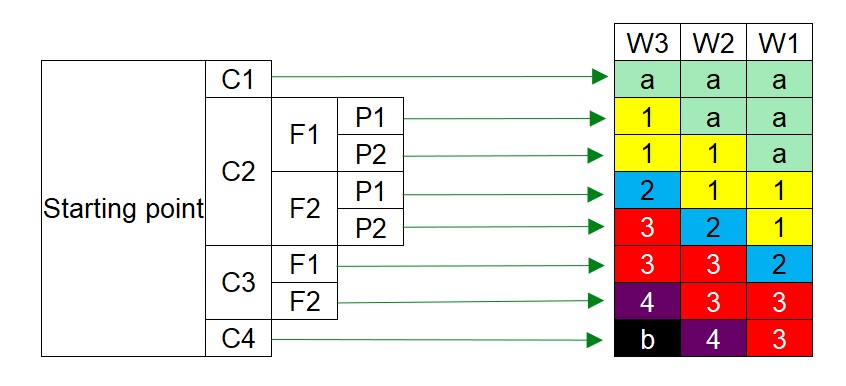
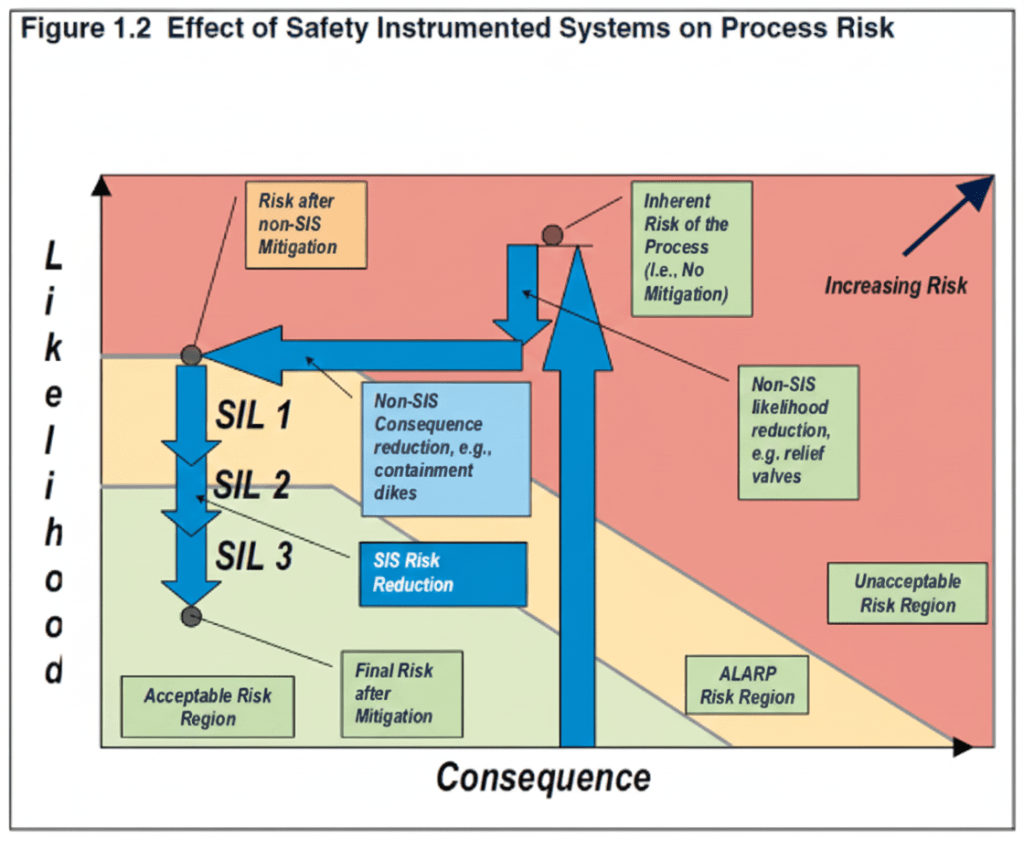
ตามที่กล่าวข้างต้นว่าระดับของระบบป้องกันอันตรายหรือ Safety Integrity Level (SIL) จะมีค่าระดับจาก 1 จนถึง 4 ถ้านำมาแสดงในค่าความน่าจะเป็นจะแสดงได้ดังนี้

ถึงตรงนี้จะเห็นว่าค่าระดับของระบบป้องกันอันตรายหรือ Safety Integrity Level (SIL) มาจากการคำนวนความน่าจะเป็นนั้นเอง

แต่นั้นยังไม่ใข่ทั้งหมดของระบบป้องกันอันตรายด้วยเครื่องมือวัดหรือ Safety Instrumented System (SIS) เพราะยังจะต้องทำให้ผู้ใช้งานมีความมั่นใจได้ว่าระบบจะเป็นไปตามที่ออกแบบไว้ตลอดช่วงอายุการใช้งาน ซึ่งเรียกการจัดการทั้งหมดนี้ว่า Safety Lifecycle (SLC)

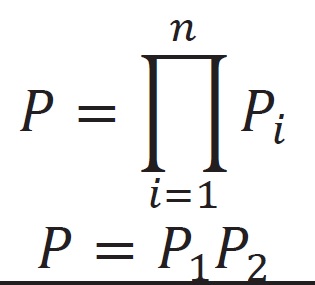
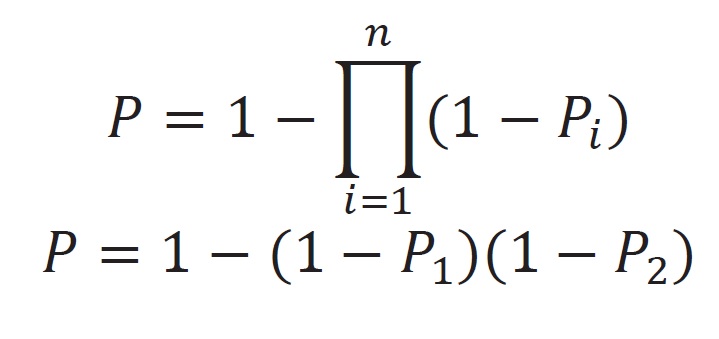
วิธีการคำนวนหาค่าความน่าจะเป็นที่ระบบจะไม่สามารถใช้งานได้เมื่อถึงเหตุการณ์ที่จำเป็นโดยเฉลี่ย หรือ Probability of failure on demand

ในการคำนวนนี้ มีสมมุติฐานที่ต้องที่เป็นข้อกำหนดดังต่อไปนี้

  1. สมการใช้ได้กับองค์ประกอบเดี่ยวเท่านั้น single component
  2. ค่าอัตราการเสื่อมหรือเสีย failure rate เป็นค่าคงที่ constant failure rate ไม่ขึ้นกับเวลา
  3. สมการข้างล่างนี้ยังไม่รวมถึง อุปกรณ์ที่มีความสามารถที่ตรวจสอบความผิดปกติได้โดยอัตโนมัติ

โดยแทนค่าหน่วย ดังนี้

  • ค่าอัตราการเสื่อมหรือ failure rate (l) หน่วย ชั่วโมง-1
  • ช่วงเวลาจากการเริ่มต้นใช้งานองค์ประกอบนั้นจนถึงหยุดเพื่อทำการทดสอบ Interval Time (t) หน่วย ชั่วโมง
  • โอกาสจะเจอความผิดปกติในช่วงทดสอบ proof test coverage ค่าอยู่ระหว่าง 0 – 1
  • และอายุการใช้งานขององค์ประกอบตลอดอายุการใช้งาน Life Time หน่วย ชั่วโมง

วงจรชีวิตของระบบความปลอดภัย Safety Lifecycle (SLC) คืออะไร

วงจรชีวิตของระบบความปลอดภัย Safety Lifecycle (SLC) คือระบบที่ถูกนำมาใช้เพื่อออกแบบ ตรวจสอบ และบำรุงรักษาระบบความปลอดภัยด้วยเครื่องมือวัดให้สามารถใช้งานได้เมื่อต้องการ โดยมีขั้นตอนหลักๆคือ

  1. วิเคราะห์ความเสี่ยง Analyzing Risk
  2. ประเมินความต้องการหรือคุณภาพของระบบป้องกันอันอันตราย Assessing the need
  3. ออกแบบความต้องการเพื่อรักษาคุณภาพของระบบ Establishing system performance requirement
  4. นำระบบไปใช้งาน Implementing
  5. ดูแลรักษาระบบ Operation and maintenance

ซึ่งทั้งนี้ระบบป้องกันอันตรายด้วยเครื่องมือวัดหรือ Safety Instrumented System (SIS) และวงจรชีวิตของระบบความปลอดภัย Safety Lifecycle (SLC) มี International standard หลายตัวที่เข้ามาเกี่ยวข้อง เช่น

  • OSHA 29 CFR Part 1910.119
  • Seveso Directive (96/82/EC)
  • IEC-65108
  • IEC-61511
  • ANSI/ ISA-81.00.01-2004 (IEC 61511 Mod)

โดยทั้วไปตาม International Code and Standard ข้างต้นจะแบ่งวงจรชีวิตของระบบความปลอดภัย Safety Lifecycle (SLC) กับผู้ที่มีส่วนเกี่ยวข้องดังนี้

ทั้งนี้สำหรับอุตสาหกรรมที่เป็นกระบวนการผลิต process industries วงจรชีวิตของระบบความปลอดภัย Safety Lifecycle (SLC) จาก ANSI/ ISA-81.00.01-2004 (IEC 61511 Mod) ก็จะใช้วงจรชีวิตของระบบความปลอดภัย Safety Lifecycle (SLC) คล้ายกัน เพิ่มเติมโดยมีการระบุความต้องการด้านการจัดการ Management การวางแผน Planning การตรวจสอบ Verification ทางด้านความปลอดภัยของระบบ functional safety คลอบคุมตลอดทุกช่วงเวลา

อะไรคือข้อดีของวงจรชีวิตของระบบความปลอดภัย Safety Lifecycle (SLC)

  • ช่วยให้ผู้ออกแบบออกแบบระบบที่มีความปลอดภัยมากขึ้น
  • ช่วยให้ระบบที่ออกกแบบมีความคุ้มกับผลที่ได้สูง cost-effective

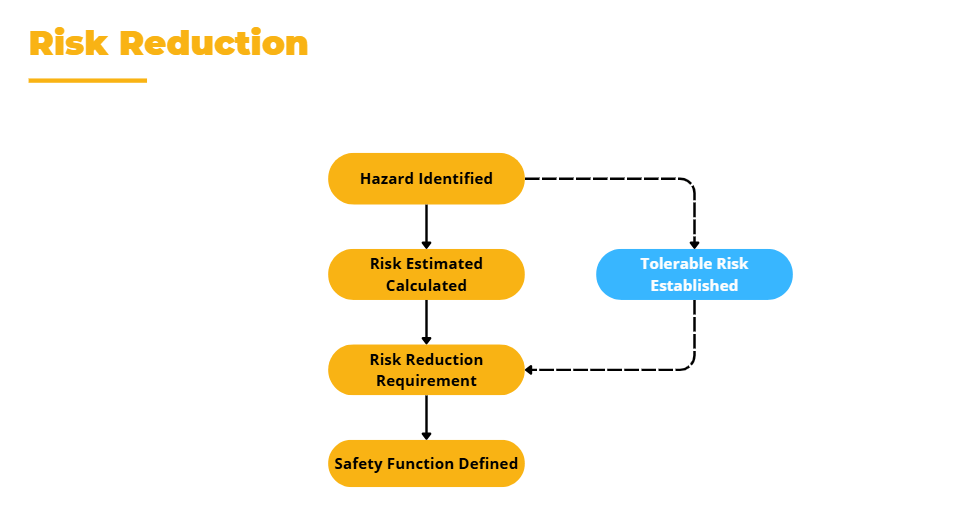
เหตุผลที่เป็นเช่นนั้นเพราะว่าในระหว่างการออกแบบระบบ เราตั้งโจทย์การออกแบบของระบบให้เพียงพอต่อการลดความเสี่ยงไปยังจุดที่ยอมรับได้ tolerable risk ก็จะไม่เกิดการออกแบบที่เกินความจำเป็น overdesign หรือน้อยกว่าความจำเป็น under-design

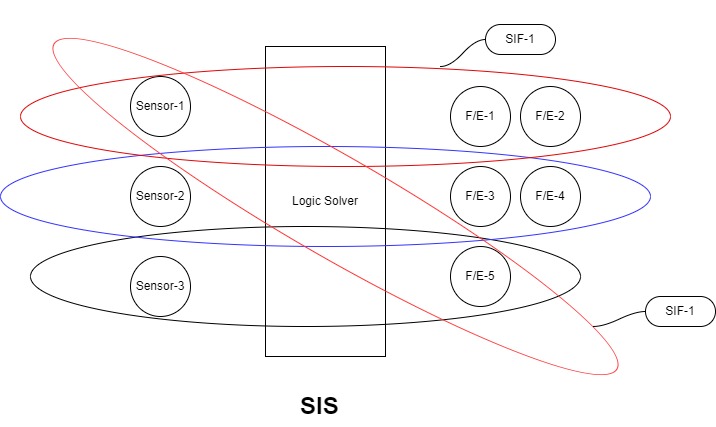
และช่วยให้ผู้ออกแบบสนใจระบบความปลอดภัยรอบด้านมากยิ่งขึ้น ทั้งในส่วนตัววัด sensor ตัวประมวลผล logic solver ตัวจัดการระบบ final element ความถี่ในการตรวจสอบ periodic test และตัวแปรอื่นๆ