The Hazard and Operability Study (HAZOP) is a structured and systematic examination of a complex process or system to identify and evaluate potential hazards and operability issues. It is commonly used in industries such as chemical, petrochemical, nuclear, and pharmaceutical to assess the safety and reliability of processes.
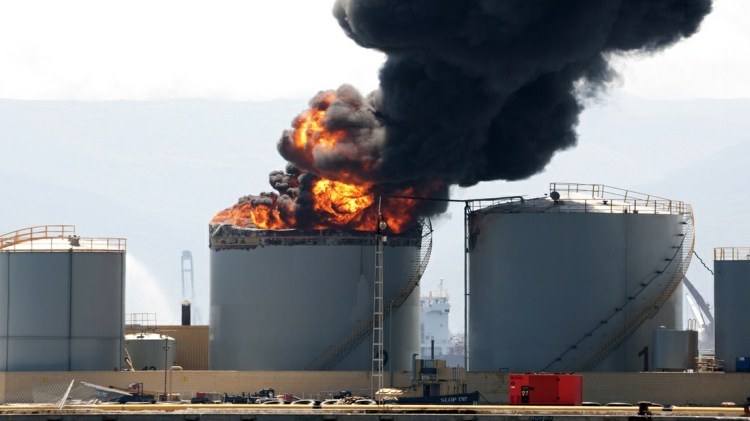
HAZOP studies are an integral part of the overall Process Safety Management (PSM). The insights gained from a HAZOP study contribute to the design, operation, and safety maintenance and reliable process.
The primary objectives of a HAZOP study are:
- Identify Hazards;
- Evaluate Consequences;
- Determine Potential Causes;
- Recommend Mitigation Measures
HAZOP Study Workflow

- Selecting the study team: A multidisciplinary team, including individuals with expertise in process engineering, operation, safety, and other relevant fields is assembled.
- Defining the Study Objectives and Scope: The team establishes the boundaries and objectives of the HAZOP study, defining the specific aspects of the NODE, process or system to be examined.
- Conducting the Study: The team systematically reviews the process using “guidewords” (such as “more”, ”less”, “no”, “as well as”, etc.) to explore potential deviation from the normal operating condition.
- Identify the Deviation: Deviation and potential hazards shall be identified by the participants. The prompt application of each guideword may be used.
- Assessing Consequences: The team evaluates the consequences of each identified deviation without considering the validation of the safeguards in the first place.
- Assessing the existing safeguards: The design team supports identifying the available safeguards that exist to prevent the hazardous likelihood or mitigate the consequence.
- Explore further risk reduction by recommendation: Based on the analysis, the team suggests recommendations and measures to further mitigate or eliminate the identified hazards and improve operability.
- Preparing a HAZOP report: The findings and recommendations are compiled into a comprehensive report, which serves as a valuable reference for improving the safety and efficiency of the process.
Challenges associated with the HAZOP study
- Limited to Design Stage: HAZOP studies are typically conducted during the design stage or modification of the process. This means that some potential hazards and some operability issues may not be identified such as changes in operating conditions, or changes of personnel.
- Subjectivity: The effectiveness of a HAZOP study is highly dependent on the expertise and experience of the study team. Different teams may identify different potential issues based on their individual perspectives.
- Focus on Process Deviation: The HAZOP studies primarily focus on deviations from normal operating conditions. While this is valuable for identifying potential hazards, it may not comprehensively address all types of risks, such as external factors or rare events that fall outside the scope of normal deviation.
- May not address Human Factors: The HAZOP study may not fully address human factors, such as human error or the impact of operator actions on process safety. Human factors are the main key factors to contribute safety measures and mitigating risk.
- Limited Quantitative Analysis: The HAZOP study is a qualitative analysis method, and it does not provide a quantitative assessment of risk.
- Limited Coverage of System Dynamics: HAZOP focuses on individual nodes or components of a system. It may not fully capture the dynamic interactions.
Example credible scenario
| Credible Scenario | Example |
| A single human errors | Incorrect operating sequence, Prolonged or excessive cycles |
| A single instrument or mechanical failure | Pump trips, Malfunction of controller |
Example incredible scenario
| Incredible Scenario | Example |
| Simultaneous failure of two independent instrument | Malfunction of two controller |
| Failure of both relief devices | PSV-1, and Rupture Disc are stuck close. |
| Failure of the controller and the PSV fails to operate | Pressure control malfunction and PSV stuck close |
 PROcess Safety TASK